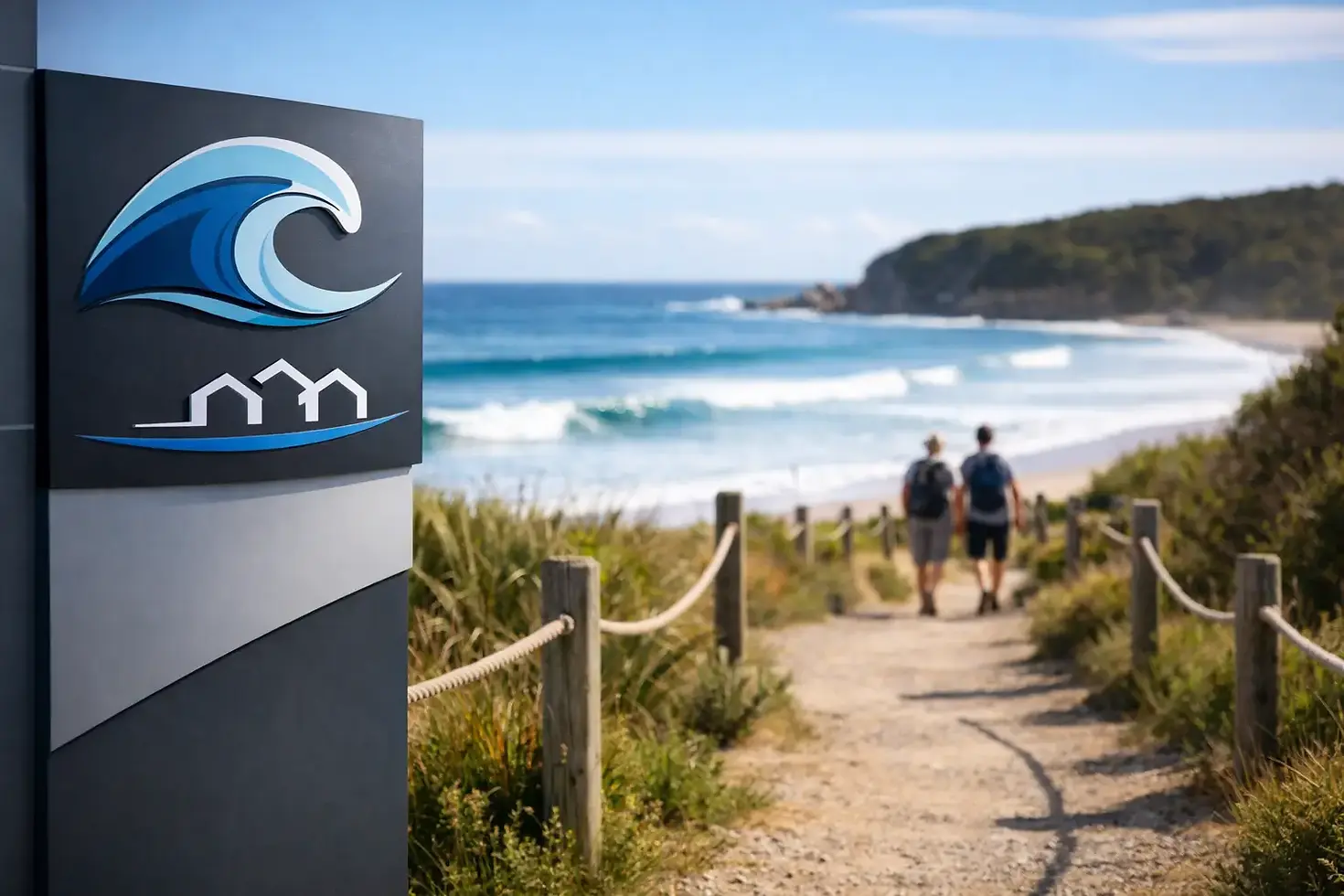
Can You Walk to Surf Beach From Here?

If you are booking a surf trip, one question matters fast: can you walk to surf beach, or are you going to spend every session dealing with rides, parking, and extra hassle? For most surfers, that answer shapes the whole stay. A place that looks close on a map can still feel far when you are carrying a board in the sun twice a day.
Around Playa Encuentro, walkability is not just a nice extra. It changes your routine. If you can get from your apartment to the beach in about 10 minutes, the day gets easier. Dawn patrol is simpler, checking conditions between meals is realistic, and going back for a second session does not feel like a project.
Can You Walk to Surf Beach and Still Keep It Easy?
Yes, in the right part of the area, you can walk to surf beach and keep your day pretty simple. But the useful answer is not just yes or no. It depends on where you stay, what you carry, and what kind of trip you want.
Some travelers are happy with a 20-minute walk if it saves money. Others want to be close enough that they can head out with a board under one arm, surf, come back, eat, and return later without thinking twice. For surf-focused travel, that second version is usually the better setup.
The difference becomes obvious by day three. A short walk keeps you flexible. A longer or awkward route tends to turn every session into a commitment, which means you may surf less than you planned.
What "Walking Distance" Really Means for Surfers
People use the phrase walking distance loosely. For a surfer, walking distance is not the same as it is for someone heading to a coffee shop with nothing in their hands.
A true walking-distance stay should feel manageable with your beach gear. That means the route is straightforward, the timing is realistic, and the walk does not wear you out before you paddle out. If you are carrying a shortboard, that is one thing. If you have a longboard, backpack, water, towel, and maybe sandals, the same distance feels different.
Heat matters too. A 10-minute walk in the morning can feel easy. The same walk around midday can feel longer, especially after a session. Road surfaces and shade also affect how practical the walk feels from day to day.
That is why serious surf travelers usually care less about exact mileage and more about routine. Can you wake up, grab your board, and be at the break quickly enough that it stays convenient all week? That is the real test.
The sweet spot for most stays
For most people, a walk of around 10 minutes is the sweet spot. It is close enough to make repeated beach trips realistic, but often a little more affordable than being directly on the sand. You still get easy access without paying for a beachfront setup you may not need.
That balance works well for independent travelers who want apartment-style lodging, their own space, and a surf-first location rather than resort extras.
Why Walking to the Beach Can Be Better Than Driving
A lot of visitors assume driving is always easier. Sometimes it is, but not always.
When you can walk, you cut out a layer of planning. No waiting on a ride. No dealing with where to leave the car. No deciding whether the trip is worth it for a quick conditions check. You can just go.
That matters more than people expect. Surf conditions change. Wind picks up. Tides shift. The crowd changes. If your stay makes beach access easy on foot, you can respond to those changes instead of building your whole day around transportation.
Walking also helps if your trip is built around multiple shorter sessions. Plenty of surfers do not stay out for three solid hours every time. They might go early, come back for food or work, then head out again. That pattern is much easier when the beach is nearby.
When Walking to Surf Beach Makes the Most Sense
Walking works best for travelers who are keeping the trip simple. If your plan is surf, eat, rest, repeat, then being able to reach the beach on foot is a real advantage.
It is especially useful for solo surfers and couples who are not trying to manage a packed family beach setup. If you are traveling light, the walk tends to feel easy. If you are carrying chairs, coolers, kids' gear, and several boards, you may start thinking differently.
It also makes sense for people staying more than a night or two. On a longer trip, transportation friction adds up. Saving a little effort each day can make the whole stay feel smoother.
Situations where driving may still help
There are cases where walking is less ideal. A very large board can make the route more annoying. Heavy rain can turn a simple walk into a muddy one. If you are injured, exhausted, or trying to transport a lot of gear, a ride is obviously easier.
This is where honesty matters. If you are the kind of traveler who wants zero effort between room and beach, then "walkable" may not be enough. But if you are choosing a surf trip because you want access, flexibility, and a more independent setup, a short walk is usually a good trade.
How to Tell if a Place Is Actually Walkable
Photos and map pins do not always tell the full story. If you are trying to figure out whether you can walk to surf beach from a place you are considering, ask practical questions.
Ask how many minutes it takes on foot with a surfboard, not just by car. Ask what the route is like. Ask whether guests actually walk it daily or if it is technically possible but inconvenient in real life. Those details matter more than polished marketing language.
A good host should be able to answer clearly. If the response is vague, that usually tells you something. Surf travelers do better when the logistics are simple and honest.
In the Playa Encuentro area, a stay that is about 10 minutes from the beach on foot is often a very workable option. That is close enough for daily sessions without needing a beachfront price point. Waverider Apartments is one example of that kind of setup, built for surfers who care more about getting to the break easily than paying for extras they will barely use.
Can You Walk to Surf Beach With a Board Every Day?
Usually, yes - if the distance is short and the route is reasonable. Most surfers can handle a 10-minute walk with a board just fine, especially if that is the main reason they chose the area.
What changes the answer is repetition. Once is easy. Twice a day for a week is the real measure. That is why compact, practical lodging near the break works so well for surf trips. It supports the routine instead of fighting it.
This is also where apartment-style stays can make sense. You get a base close to the beach, enough space to reset between sessions, and the freedom to keep the day on your own schedule. For budget-conscious travelers, that often beats paying more for a resort experience that does not improve the surf.
The Real Question Behind "Can You Walk to Surf Beach?"
Most people asking this are really asking something else: will staying here make my surf trip easier, or harder?
That is the better way to think about it. Walking distance is valuable because it reduces friction. It lets you surf when conditions are good, not just when transportation lines up. It makes the trip feel more surf-centered and less logistical.
If your priority is convenience, affordability, and being able to surf without overcomplicating the day, then a place within a short walk of the beach is usually the right fit. Not every traveler needs to stay directly on the sand. But most surfers benefit from being close enough that the beach feels like part of the daily routine, not a separate outing.
That is the standard worth using when you book. If you can walk to the surf beach without it becoming a chore, you are probably staying in the right place.


Comments